Cruise Breakthrough: Five-Star Liner to Connect Moscow and Baku via Direct Route
1.jpg)
18:24 November 2, 2026
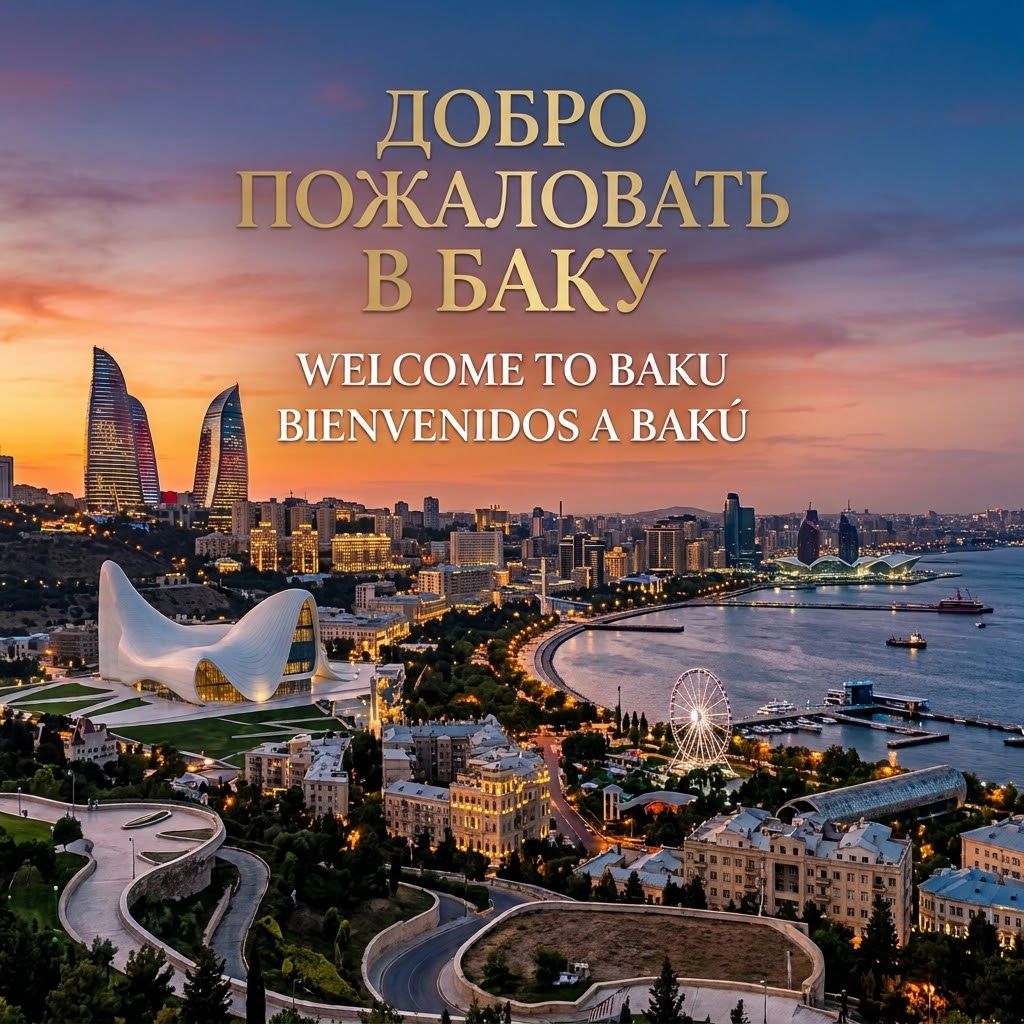
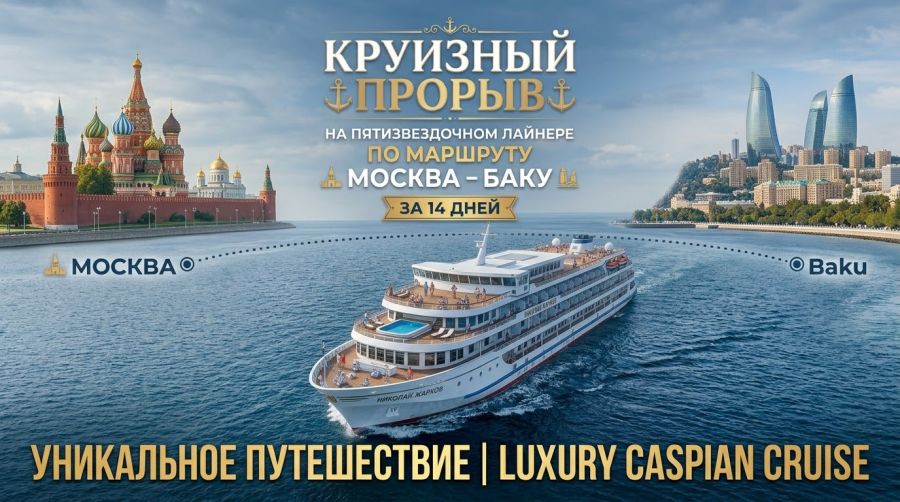
Baku and Moscow are preparing to launch a historic luxury cruise service that will directly connect the capitals of both states. The unique itinerary, lasting approximately 14 days (seven days each way), is set to become the region’s landmark tourism event. According to media reports, the ambitious plans were announced by Adam Khakimov, the Trade Representative of Russia in Azerbaijan.
The full-scale implementation of this major project relies on robust state support and the readiness of a state-of-the-art fleet.
Key Facts About the New Super-Cruise:
* Scale and State Support: The project is being carried out with active involvement from Russia's Ministry of Industry and Trade, which subsidizes vessel construction. This ensures top-tier status and compliance with the most stringent international safety and comfort standards.
* Fleet Readiness: As of today, the first luxury liner is fully ready to set sail. Furthermore, two identical vessels are nearing completion at the shipyards. Should the pilot voyages prove commercially successful, these additional liners will also be immediately deployed on the Baku route.
* Tour Duration: The average travel time will be 14 days. The "7 days there and 7 days back" format offers an ideal balance: travelers will enjoy both a classic river cruise along the Volga and a complete sea voyage across the Caspian Sea.
From Maria Yermolova to Nikolay Zharkov: Project History
The journey toward launching this route spanned two decades:
* The First Attempt (2005–2006): An effort to launch Caspian cruises on the Soviet-era three-deck passenger ship Maria Yermolova failed due to bureaucratic obstacles and the vessel's technical obsolescence.
* Betting on a New Fleet (2016): Construction of Petr Velikiy (now renamed Vladimir Zhirinovsky), the first new-generation river-sea liner, was laid down in Astrakhan; however, it turned into a prolonged construction project.
* The Nizhny Novgorod Breakthrough (2023–2026): The Krasnoye Sormovo shipyard in Nizhny Novgorod picked up the torch. The lead ship of Project 00840 "Karelia," named Nikolay Zharkov, was completed in record time. It is precisely this floating 5-star hotel, accommodating 176 passengers, that is set to open the navigation season.
The "International Caspian" Route Network
The launch of the Moscow–Baku transit line will serve as the launchpad for large-scale international expansion. During the winter and spring seasons, the liner will operate regular "Legends of the Caucasus" sea cruises across the Caspian Sea, effectively connecting all five Caspian littoral states. Beyond Baku (Azerbaijan) and Russian ports (Astrakhan, Makhachkala, Derbent), the schedule already integrates:
* Aktau (Kazakhstan): Tours to the futuristic landscapes of the Mangystau Plateau;
* Turkmenbashi (Turkmenistan): Visits to the ultra-modern "Avaza" resort zone;
* Bandar Anzali and Nowshahr (Iran): Immersion in ancient Persian culture and excursion transfers to Tehran.
Expert Commentary
Tourism market analysts and maritime industry experts highlight three key aspects of the new route:
* Economic Trigger for Baku: The inauguration of regular luxury service will ensure a steady influx of high-net-worth travelers to Azerbaijan. For Baku, this represents more than just transit tourism; it drives demand across the premium hospitality segment—five-star hotels, fine-dining restaurants, and luxury boutiques.
* Unique "River-Sea" Status: The Moscow–Baku route presents technical complexities. Experts note that deploying Nikolay Zharkov-class liners solves past operational hurdles: they are equally efficient and safe navigating the narrow locks of the Volga and managing the unpredictable storm conditions of the Caspian Sea.
* Environmental Risks as the Primary Challenge: Specialists cite the ongoing shallowing of the Caspian Sea as the sole constraining factor. Route operators together with port authorities in Baku and Astrakhan will need to carry out continuous dredging operations to ensure liners with a draft of nearly 3 meters can dock without hindrance.