Shamakhi Astrophysical Observatory – A window to the secrets of the sky
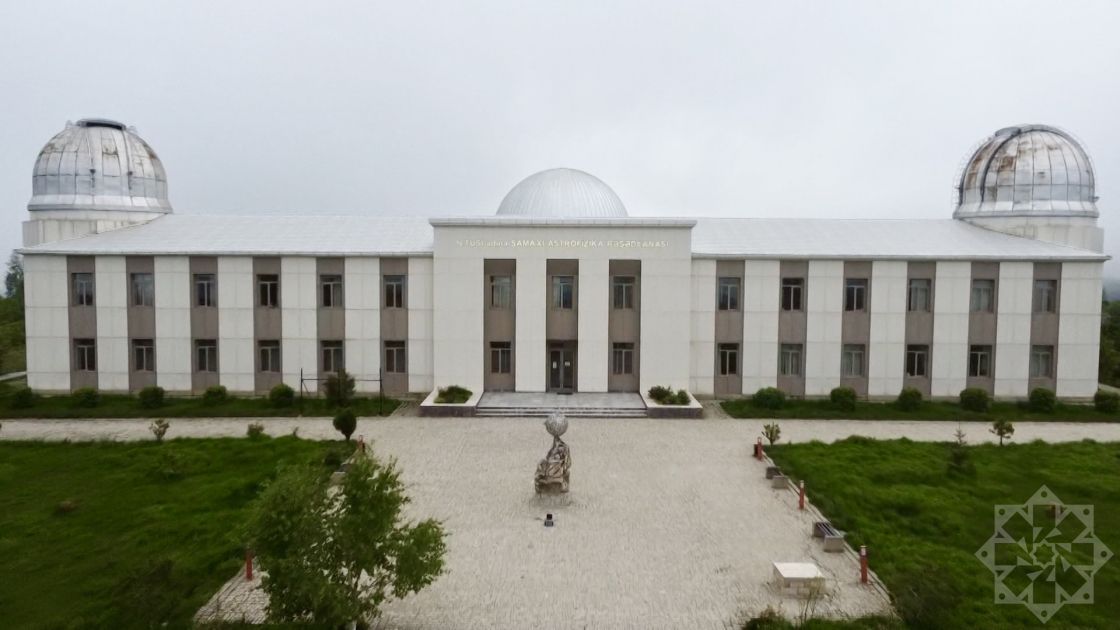
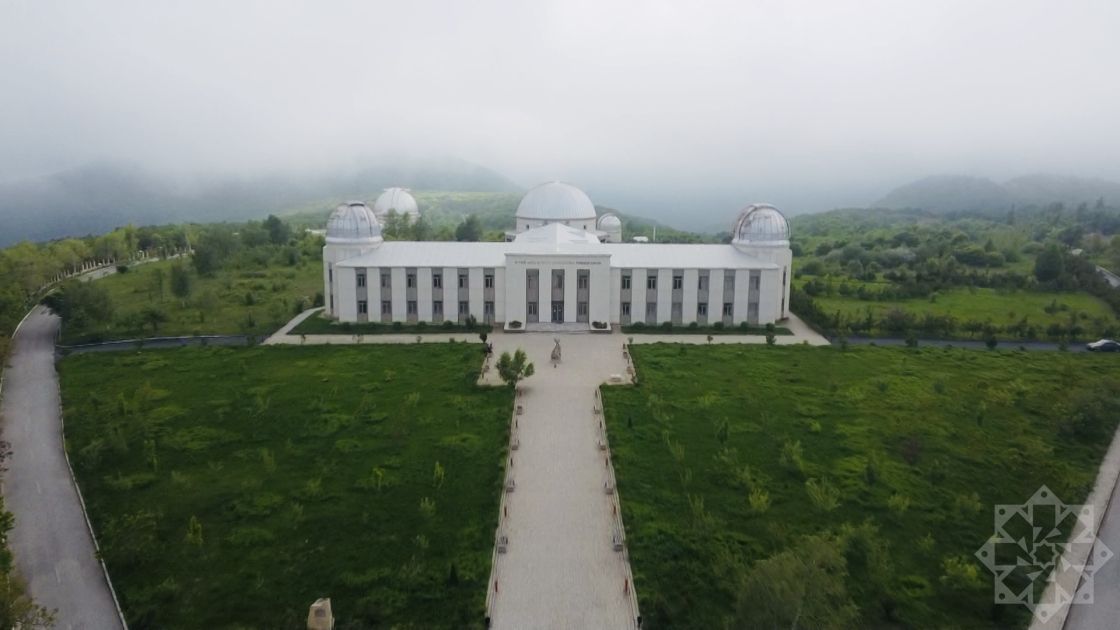
The next feature in AZERTAC’s “If I Were a Tourist” column highlights the Shamakhi Astrophysical Observatory named after Nasreddin Tusi.
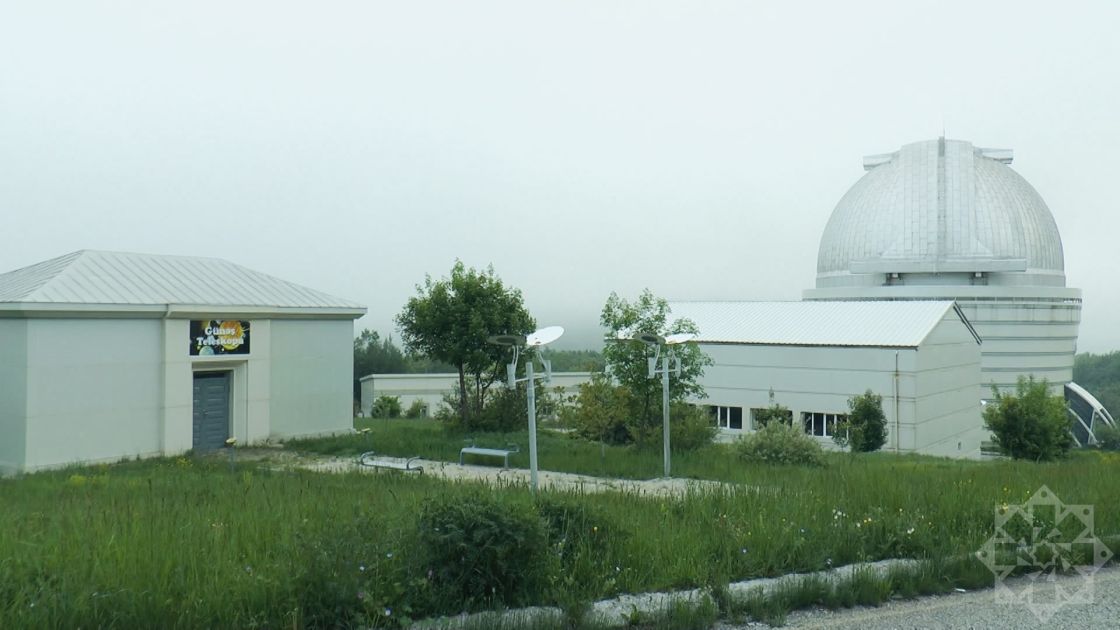
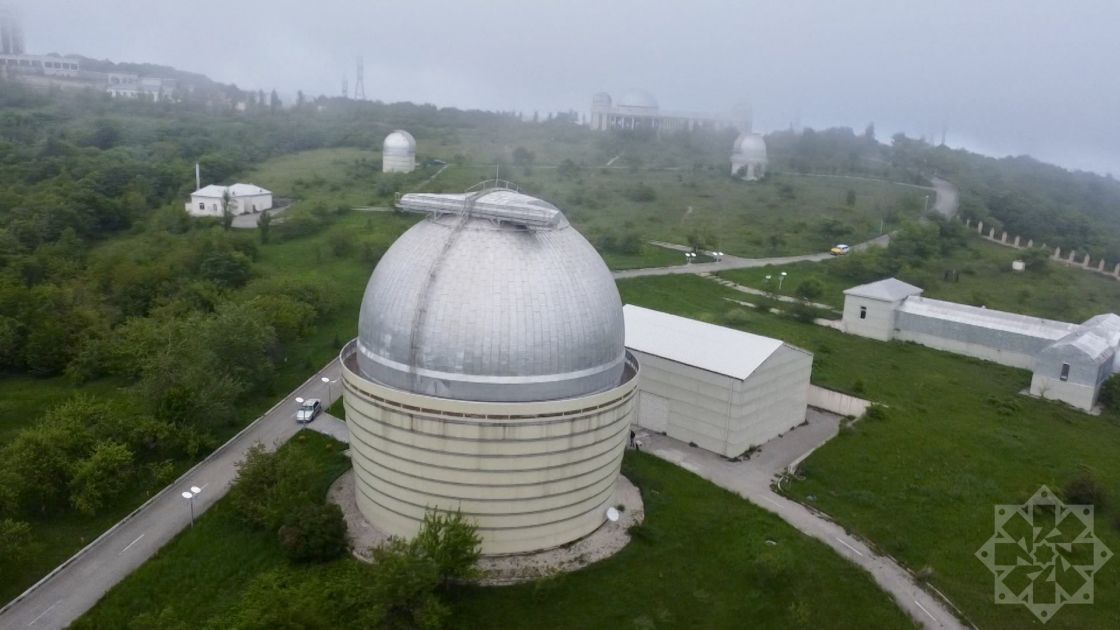
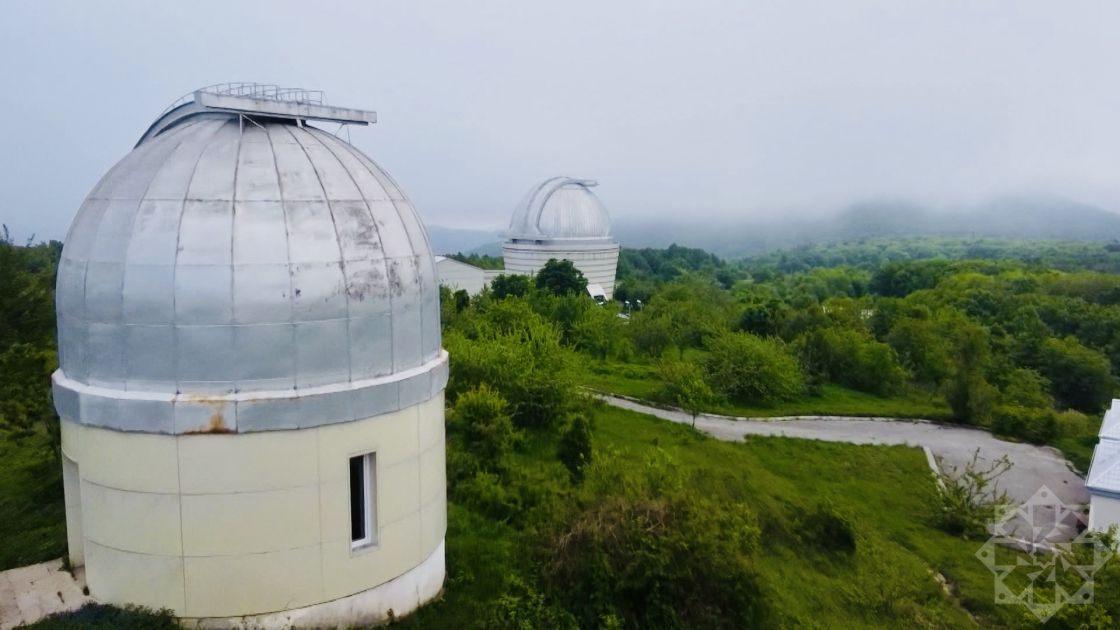
Located at an altitude of 1,500 meters above sea level on the peak of Pirgulu Mountain, the observatory offers visitors a unique opportunity to observe celestial bodies through powerful telescopes. The observation conditions and exhibits create an unforgettable experience for tourists.
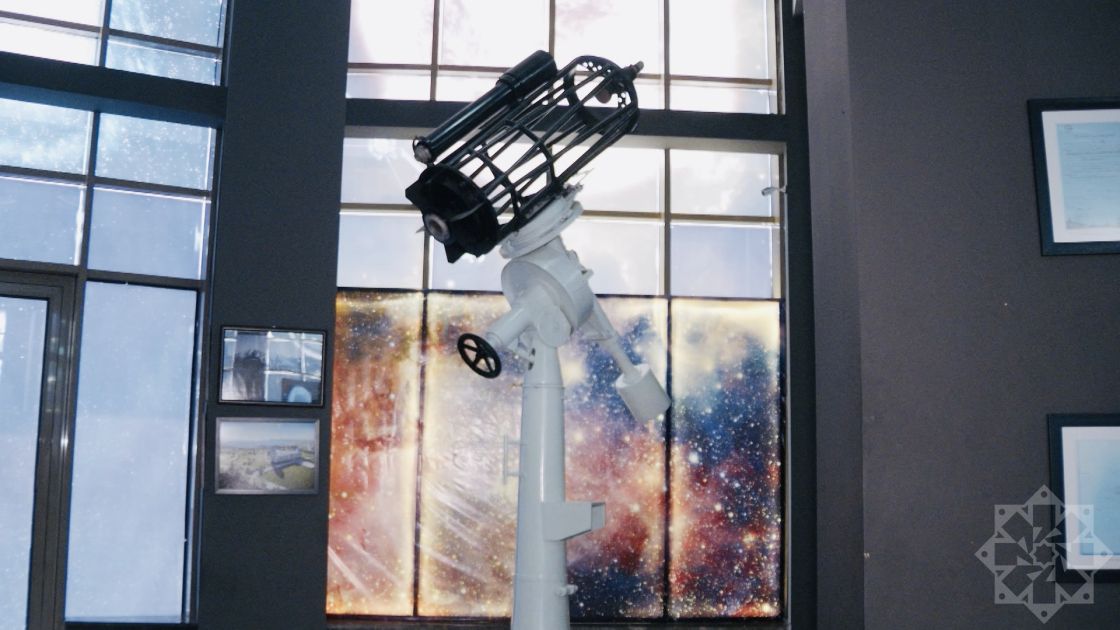
Visitors can explore the museum located on the observatory’s premises for an admission fee, while entry is free for preschool children. During daytime hours, guests can explore the museum’s exhibits, telescopes, and the history of astronomy.
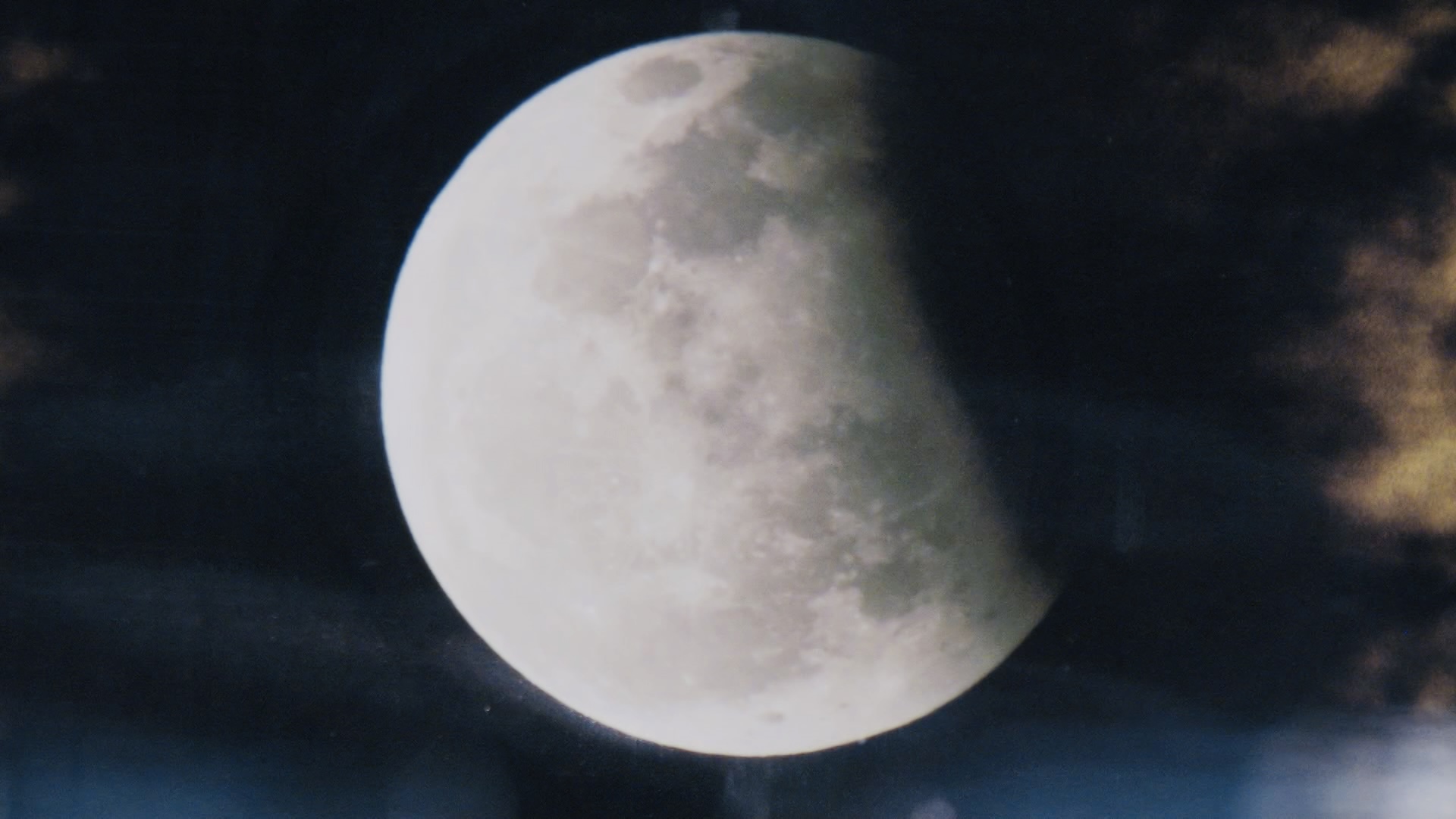
Special conditions are also available for night observations. When weather conditions are favorable, visitors can observe galaxies, stars, the Sun, and other celestial bodies through telescopes.
The observatory’s history dates back to 1957, when the first telescope — the Chromosphere-Photosphere Solar Telescope — was installed at the Pirgulu Astronomical Station. In 1959, a 200-mm photoelectric telescope was launched to study astro-cyclicity.
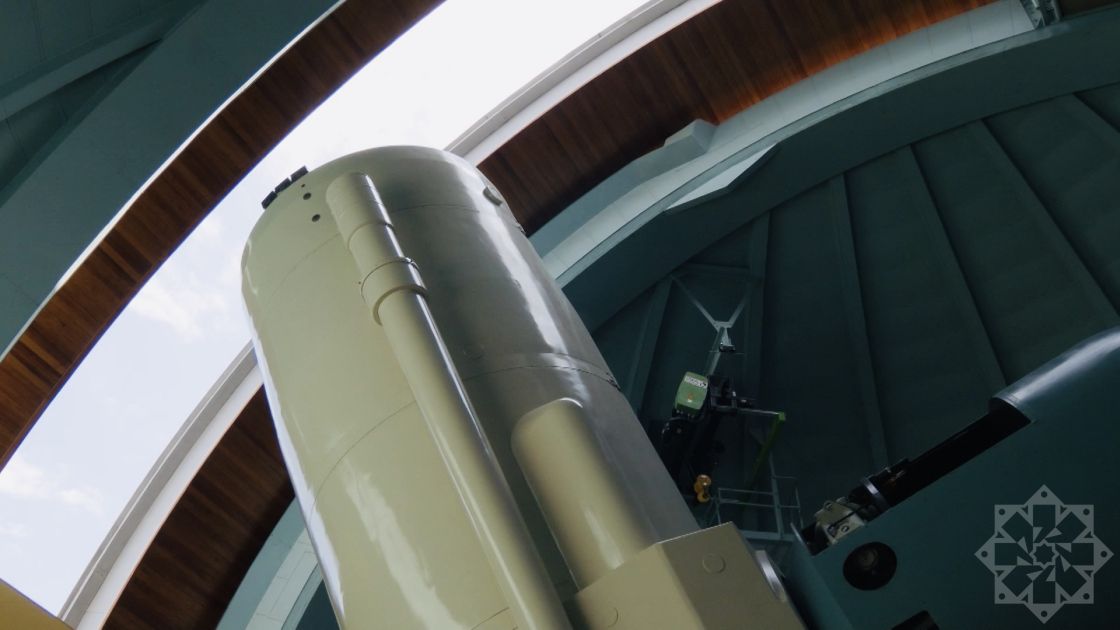
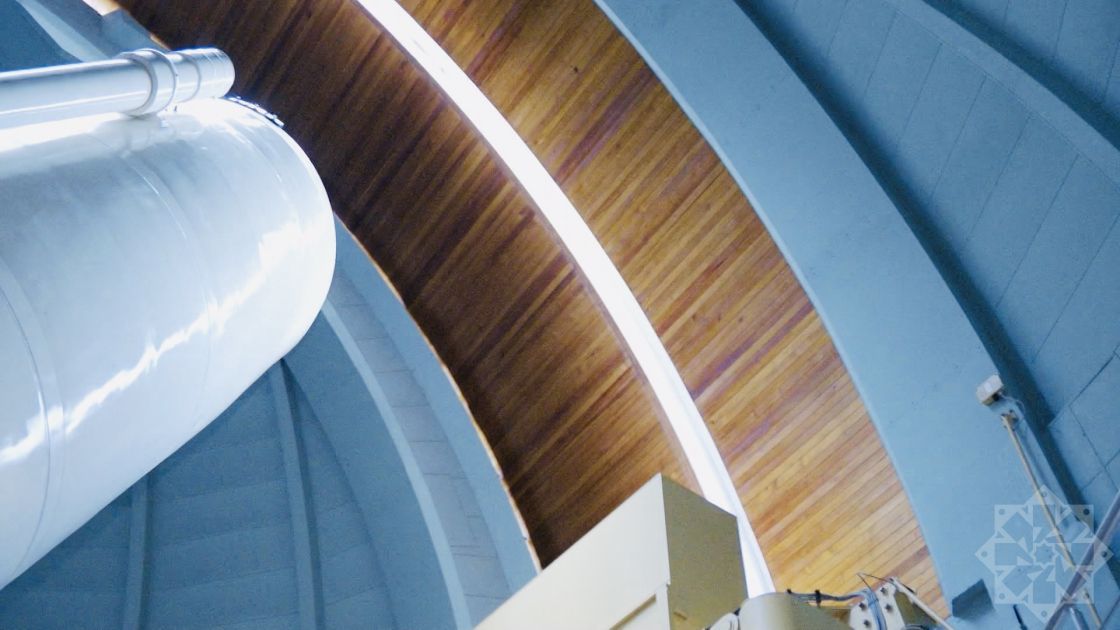
Later, additional instruments were introduced, including a horizontal solar telescope (1962), AST-452 telescope (1964), AZT-8 telescope (1970), and the “Seiss 600” telescope (1980).
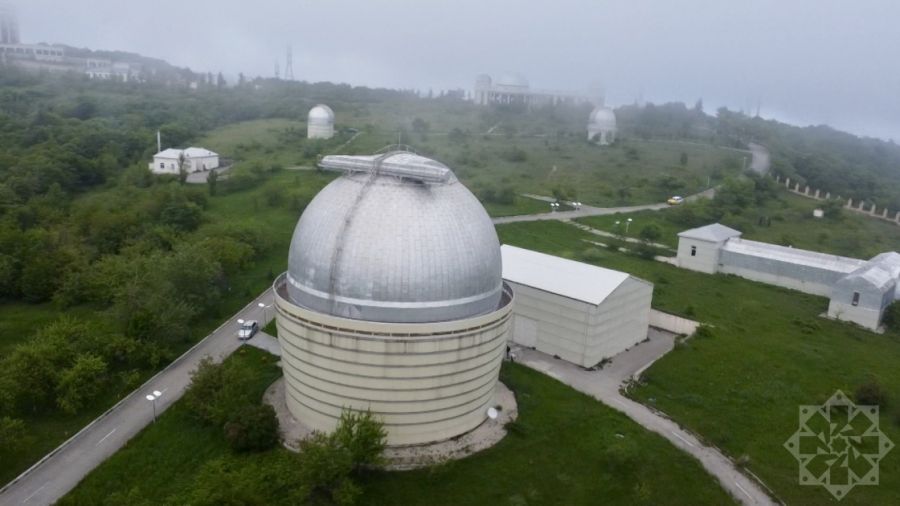
Reconstruction work was carried out between 2009 and 2013 under an order of President of Azerbaijan Ilham Aliyev. As a result, the observatory’s facilities and telescopes were fully renovated, and the double telescope was modernized and automated.
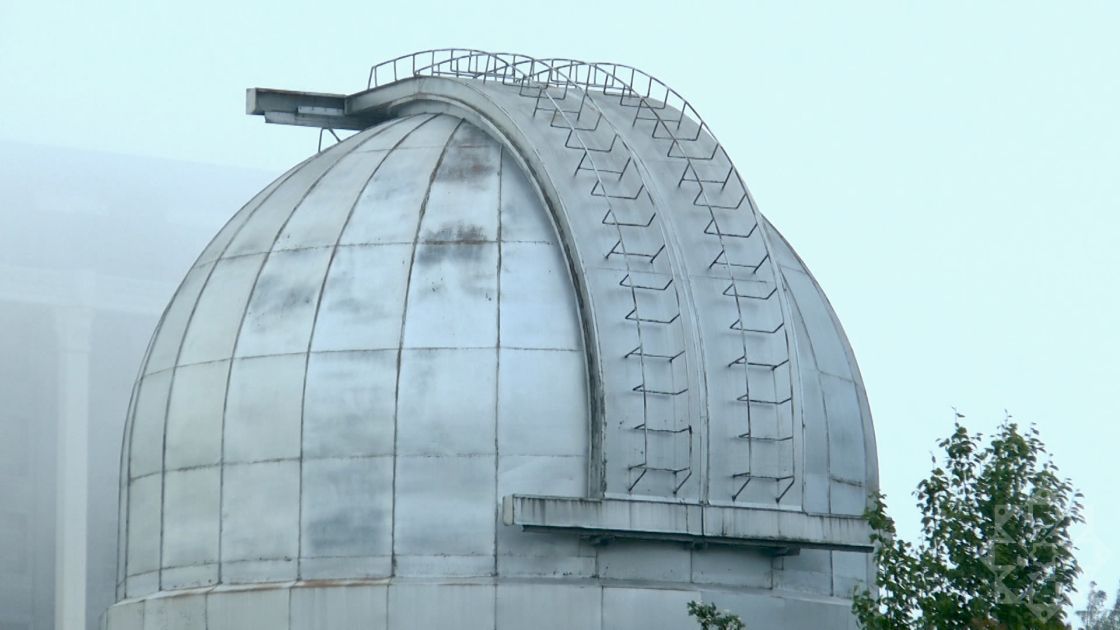
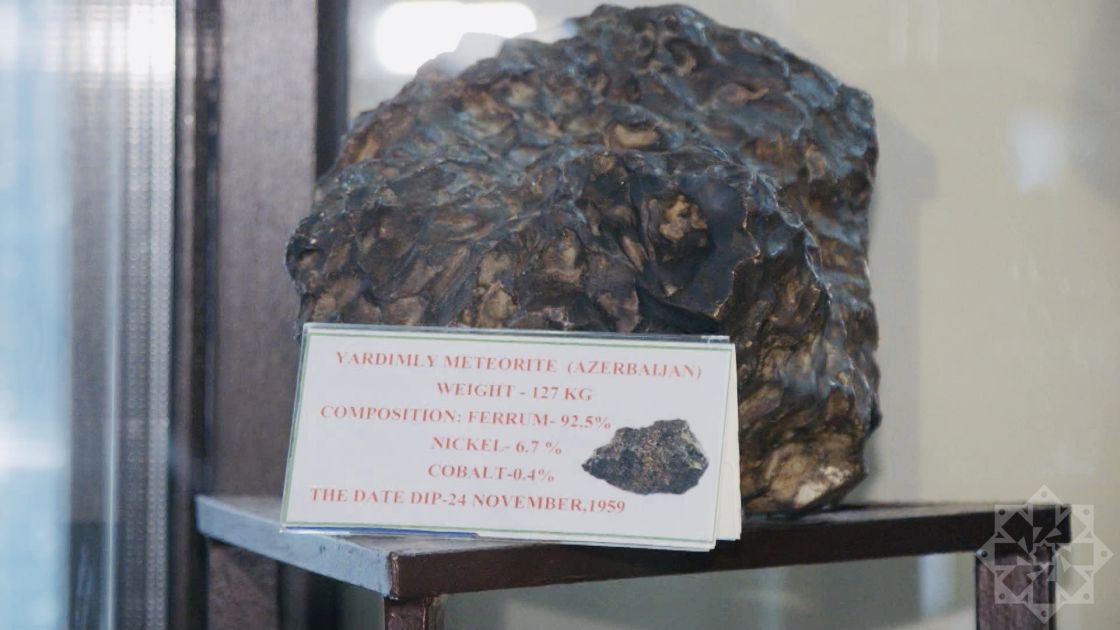
Today, the observatory conducts research using six state-of-the-art telescopes imported from Germany, along with two solar telescopes. Spanning 25 hectares, this unique scientific center also serves as an educational tourist destination. A meteorite that fell in the Yardimli district in 1959 is among its notable exhibits.
Located 22 kilometers from Shamakhi, the observatory is widely regarded by visitors as a gateway to the secrets of the sky.