The Era of City Breaks and B2B Transformation: How Azerbaijan Is Reshaping Its Marketing Strategy on the Global Market
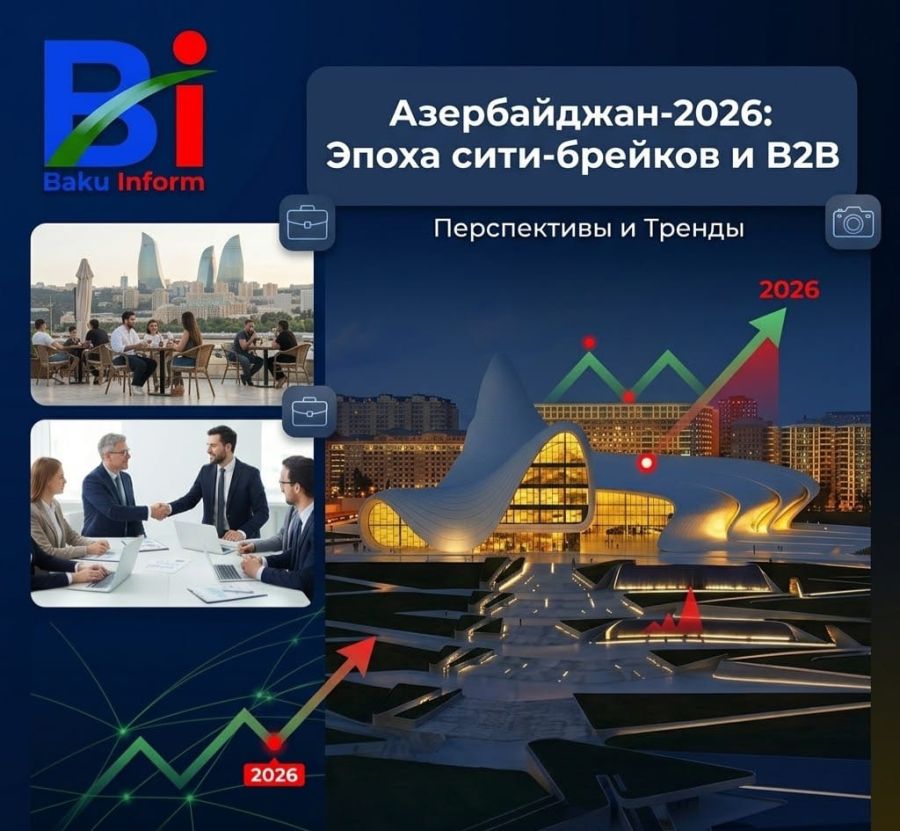
With the arrival of autumn, Azerbaijan’s tourism market is undergoing a visible transformation. Weak summer performance may be offset by the current autumn season, as the traditional long holiday is increasingly giving way to a sharp 30% rise in transit and short “weekend” trips.
According to official figures cited in a study by the OneTwoTrip travel service, hotel bookings in Azerbaijan for autumn 2026 increased by 18% year on year. This growth has been supported by the mild weather of the velvet season, strong transport accessibility, the absence of visa barriers for many CIS countries, and the traditional decline in accommodation prices after the summer peak. Encouragingly, Azerbaijan has entered the top five most sought-after foreign destinations for autumn travel.
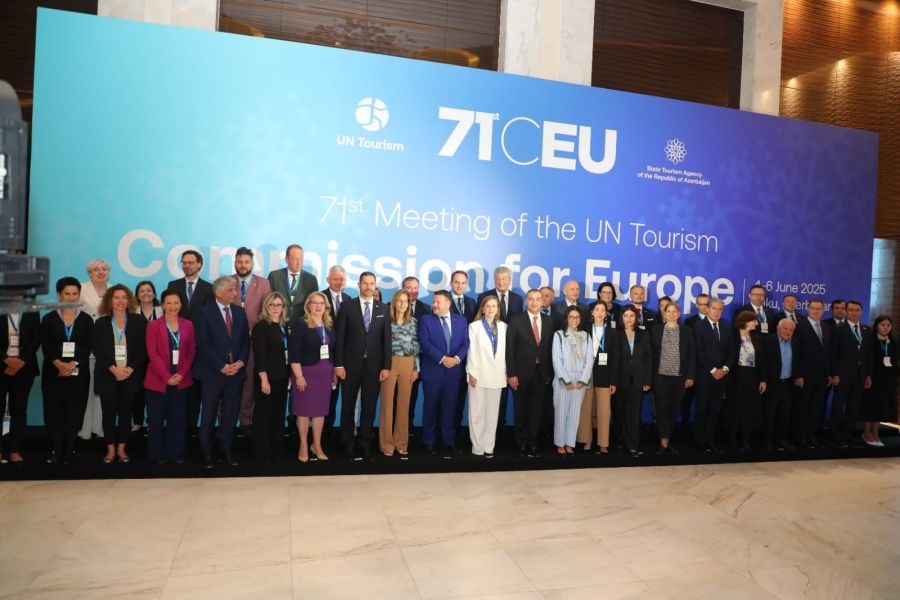
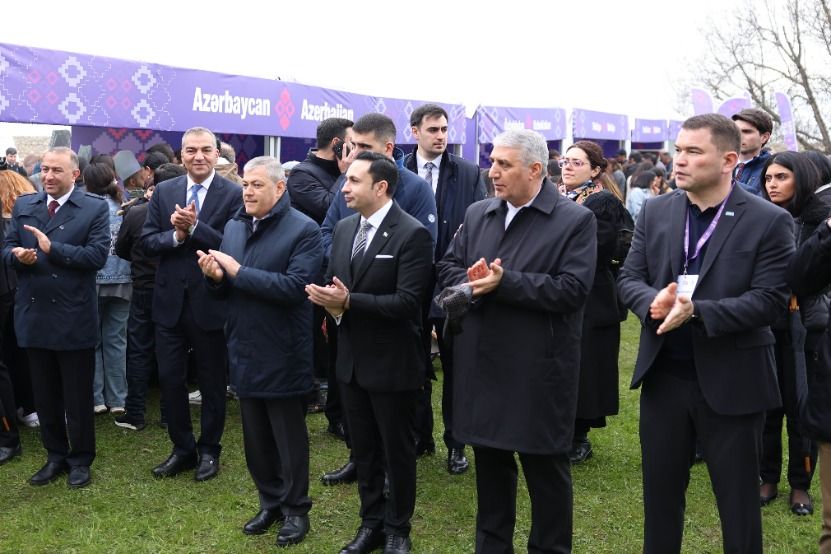
At the same time, the country is changing the way it presents itself internationally — from active marketing in Asia and the EU to the complete discontinuation of the traditional Azerbaijan International Travel and Tourism Fair (AITF), which was held in Baku from 2002 to 2023, in favor of a business-oriented B2B forum. So far, however, judging by the results of the summer season, the outcome of this transition has been more than modest: the overall summer decline reached 9.2%.
The Rise of City Breaks and a New Tourism Geography
One of the most notable results of the Azerbaijan Tourism Board’s (ATB) marketing strategy appears to be the country’s growing position as a convenient air-transit hub and an increasingly popular destination for short sightseeing trips and weekend breaks. The number of one-day and transit visits by foreign travelers to Azerbaijan increased by exactly 30%.
Across external markets, the most significant targeted results can be summarized as follows:
Breakthrough in Central Asia: Following a series of roadshows, Kazakhstan accounted for 4.6% of the overall market, with arrivals up 5.5%, while Uzbekistan recorded explosive growth of 40.2%.
European vector: Participation in the Belgrade Tourism Fair, the signing of an important three-year action plan with Greece for 2026–2028, and broader promotion in the EU contributed to an 8% increase in European visitors, to 65,900.
The largest source markets remained Russia (28.3%), Türkiye (20%) and Iran (7.9%). India (2.6%) and China (2.5%) also consolidated their positions in the top ten, supported by participation in SATTE and the introduction of a visa-free regime with China. Promotional activity has also intensified in Malaysia and Indonesia, where Azerbaijan is being positioned as a transit hub that can be combined with Umrah pilgrimage travel.
Geography and Structure of Tourist Arrivals — Mobile Infographic
Russia — 28.3% (the absolute leader and a key driver of the velvet season)
Türkiye — 20.0% (a stable core market, including business and shopping tourism)
Iran — 7.9% (a major regional source market for sightseeing travel)
Kazakhstan — 4.6% (up 5.5% following roadshows)
Uzbekistan — share increasing (surging by 40.2%)
EU countries — 65,900 visitors (up 8.0%)
India — 2.6% (growth in wedding tourism and film production)
China — 2.5% (a strategic market supported by the visa-free regime)
Press Office: Why Was AITF in Baku Discontinued?
An interesting answer to this question is offered by AI-generated analysis. It suggests that the professional community’s debate over the future of the Azerbaijan International Travel and Tourism Fair (AITF), which was held in Baku for many years, has effectively come to an end. For some reason, the traditional format — in which tourism professionals from around the world came to Azerbaijan, experienced the country firsthand and explored opportunities for cooperation with Azerbaijani tourism organizations — was deemed no longer suitable and was ultimately abandoned.
Among the reasons commonly cited are:
1. The three-year pandemic disruption broke established business ties, while international exhibitors shifted their attention to other regional B2B platforms. But what else were they expected to do when Azerbaijan itself was no longer hosting a major international tourism forum?
There is another point worth considering. International tourism exhibitions continue to be held in countries around the world and remain powerful showcases for tourism development and professional cooperation. A B2B platform is far more likely to generate higher tourist flows when the people conducting the business have actually visited the destination, seen it and understand what they are expected to promote to potential travelers. Moreover, a purely B2B format does not create the festive, experiential atmosphere that can inspire participants to return, or to tell people in their home countries about Azerbaijan’s history, traditions, culture and tourism attractions.
2. A change in the regulator’s priorities: the State Tourism Agency redirected its budgetary focus. Instead of supporting a domestic exhibition that also served outbound travel demand, resources are now being directed toward participation in overseas exhibitions such as PATA Travel Mart, WTM Riyadh and EMITT in order to stimulate inbound tourism.
The idea may have appeared promising, but in practice Azerbaijani citizens continue to travel abroad just as they did before. At the same time, Azerbaijan has lost at least some of the revenue previously generated by international tourism-industry representatives traveling to Baku for the exhibition. Temporary jobs associated with preparing and staging the event have also disappeared.
Another argument found online in support of discontinuing the exhibition is that the industry no longer needs traditional display stands: the focus has shifted toward direct digital contacts, major agreements between airlines, and panel discussions on logistics.
As a result, Azerbaijan is now developing its exhibition activity in a different direction — paying to participate in exhibitions abroad, including the cost of exhibition space, national stands and a range of related services, while no longer receiving the reciprocal economic and promotional effect of hosting international exhibitors at home. Critics argue that this ultimately weakens the country’s image and visibility as a tourism destination.
Visa-Free Travel with China and Air Connectivity
Formula 1 and the introduction of visa-free travel for Chinese citizens undoubtedly contributed to the 30% increase in tourist traffic at the beginning of autumn. The visa-free regime has become an important economic lever in Azerbaijan’s broader transformation into a major Eurasian transit hub.
Chinese tour operators and pilgrims from Southeast Asia have increasingly used Heydar Aliyev International Airport for connecting flights to the Middle East, particularly for Umrah pilgrimage travel. This is presented as one of the factors behind the sharp increase in short-term visits.
The rapid influx of short-stay travelers has encouraged the national carrier AZAL and Chinese airlines to review slots and increase the frequency of scheduled flights. Within this process, the transformation of AITF into a Transport and Tourism Forum has been presented as a response to the need for more direct digital integration between airline schedules and short city-break programs.
Yet this raises questions, because tourism is, by definition, a multi-sector economic complex that brings together numerous industries and directly stimulates activity across a broad range of markets.
Press Office: Key Economic Sectors Inseparably Linked to Tourism
1. Transport and Logistics
This sector enables the movement of travelers and forms the basic infrastructure of the tourism industry.
· Air transport: international and domestic scheduled and charter flights.
· Ground transport: rail services, intercity buses, car rental and taxi services.
· Water transport: cruise ships, ferries, river transport and yachting.
2. Hospitality and Accommodation
One of the principal sectors generating a significant share of tourism revenue.
· Traditional accommodation: hotels, resorts and motels.
· Alternative accommodation: hostels, guest houses, campsites, glamping facilities and short-term apartment rentals through specialized platforms.
3. Food and Beverage
This sector meets travelers’ gastronomic needs and can itself become an independent tourism attraction through culinary tourism.
· Traditional establishments: restaurants, cafés, bars and coffee shops.
· Local cuisine: authentic street-food venues, food markets, tasting rooms, wineries and gastronomic festivals.
4. Leisure, Culture and Entertainment
Museums, theaters, concert venues, national parks, the souvenir industry and an extensive network of professional guides and interpreters all form part of the tourism value chain.
5. Tour Operating and Travel Agency Services
This intermediary sector creates and promotes tourism products.
· Tour operators: companies that develop comprehensive travel packages combining flights, accommodation, insurance and other services.
· Travel agencies: retail sellers of packaged tours and individual travel services.
· Online travel agencies (OTAs): platforms that allow travelers to book tickets, accommodation and excursions independently.
· Recreation and sport: ski resorts, beach clubs, diving centers, golf courses and national parks.
6. MICE and Business Tourism
This sector focuses on corporate clients and large-scale events: Meetings, Incentives, Conferences and Exhibitions. It involves convention centers, exhibition venues and specialized event and destination-management agencies.
7. Health, Wellness and Medical Tourism
A rapidly growing sector combining travel with health and well-being.
· Health-resort treatment: therapeutic mud, mineral springs and spa hotels.
· Medical tourism: travel to other regions or countries for medical treatment and healthcare services.
Related Multiplier Sectors
Tourism also indirectly stimulates construction through infrastructure, roads and new hotels; trade through souvenirs, duty-free retail and shopping; and financial services through travel insurance and international payment systems.
This is why industry experts emphasize that when one element of this chain is removed or artificially narrowed — for example, when a major domestic exhibition that brought hundreds of foreign delegates directly to Baku is discontinued — the impact extends to the surrounding business ecosystem. Digital panels and B2B meetings abroad may help coordinate airline capacity and commercial partnerships, but they cannot replicate the physical presence of international tourism professionals on Baku’s streets, their spending in local restaurants or their hotel bookings.
The Cost of International Presence: The Debit and Credit of Exhibition Stands
The State Tourism Agency’s shift from supporting the domestic AITF exhibition toward international expansion has a very tangible financial dimension. Critics of the decision to discontinue the Baku exhibition frequently point to the high cost of outbound marketing. Participation in major international platforms does indeed require substantial public expenditure.
Every overseas exhibition presence involves far more than simply purchasing square meters of floor space. It is a complex package of expenses. For example, the Tourism Agency allocated approximately AZN 85,000 solely for the design and installation of Azerbaijan’s national stand at the comparatively regional CITM exhibition in China. At flagship European or Middle Eastern events such as WTM London or WTM Riyadh, where stand construction, registration fees and logistics are significantly more expensive, the cost of a single appearance can run into hundreds of thousands of manats.
Such spending naturally raises questions among skeptics: does the country receive an adequate return on investment when it pays for expensive exhibition space abroad while simultaneously giving up the direct economic benefit generated by foreign delegations that previously paid to travel to and participate in events in Baku?
Official statistics, however, offer another perspective. According to calculations attributed to the authorities, between 2018 and 2024 the Azerbaijan Tourism Board spent an average of only AZN 16.7 to attract each new foreign visitor, while the net budget revenue generated per visitor was approximately AZN 94.7. From this perspective, even costly international exhibition stands can pay for themselves by opening access to multi-million-person, potentially higher-value markets that generate stable foreign-currency inflows.
Tourism services reportedly generated approximately USD 2 billion in foreign-currency receipts in 2025 despite a 9.2% decline in tourist arrivals, an outcome cited as evidence that investment in overseas promotion can produce economic returns.
Outlook for Winter 2026–2027: A Focus on the Mountains and Market Diversification
Despite the weaker summer period, industry experts and regulators expect the B2B transformation and new promotional priorities to help stabilize the market over the medium term. The State Tourism Agency is placing particular hopes on winter 2026–2027 as an opportunity to restore the traditional longer-stay tourist segment.
The recently approved State Tourism Development Program for 2026–2030 sets an ambitious objective: to gradually increase tourism’s share of the country’s non-oil-and-gas GDP from 7.6% in 2026 to 7.8% in 2027. The winter 2026–2027 season is expected to become an important testing ground for the new strategy, with Azerbaijan promoted as a leading regional destination for gastronomy, wellness and, above all, skiing.
Domestic forecasts anticipate high occupancy at the Shahdag and Tufandag winter resorts, supported by diversification of source markets. Traditional demand from CIS countries and the Gulf is expected to be supplemented by travelers from India and China, aided by the visa-free regime with China and new direct air services.
Strategic work in Europe, including the recently signed Greece–Azerbaijan action plan for 2026–2028, is also expected to increase the share of European travelers in the winter booking mix.
What Does the Professional Community Say?
Views within Azerbaijan’s tourism industry remain divided over the abrupt change in the exhibition/B2B model and the results of the summer season.
The official position is that short-term fluctuations should not be dramatized and that the reforms should be assessed strategically. As Florian Sengstschmid, CEO of the Azerbaijan Tourism Board (ATB), has noted:
“Azerbaijan offers visitors a unique opportunity to experience ancient history, mountain landscapes and winter tourism within a single trip. Expanding direct air connectivity is also making the country increasingly accessible to long-haul international travelers.”
Representatives of industry associations agree that global challenges are creating new rules, while also emphasizing the importance of maintaining balance. Muzaffar Aghakarimov, adviser to the Chairman of the Board of the Azerbaijan Travel Agencies Association (ATAA), has stressed that a temporary decline is a natural process:
“There is nothing alarming about a decline in tourist numbers. Economic crises and other force-majeure circumstances around the world naturally affect the development of the industry.”
Independent market analysts, meanwhile, point out that overseas B2B forums can generate genuine economic value only when they are supported by strong domestic synergy. Digital platforms and airline contracts may efficiently allocate transit capacity, but on their own they cannot fill Baku’s hotels outside peak dates.
The Results of the Transformation: Balancing Transit and Traditional Tourism
The current strategy of the Azerbaijan Tourism Board clearly illustrates a shift in paradigm. The emphasis on short city breaks, visa-free travel with China and the transformation of Heydar Aliyev International Airport into a Eurasian transit hub has already coincided with a 30% autumn increase in short-term visits. The Central Asian vector and targeted work across Asian markets are also helping to soften the impact of a difficult summer season.
The industry’s central challenge, however, remains unresolved: can the concept of “fast tourism” and digitally driven B2B contracts fully compensate for the disappearance of large traditional platforms such as AITF? A transit passenger spending 24–48 hours in Baku leaves considerably less money in the country than a traditional holidaymaker staying for a full vacation.
For sustainable long-term growth, Azerbaijan’s tourism industry therefore faces a complex task: improving its ability to convert the rapidly growing flow of short-term and transit visitors into full-fledged, loyal tourists who are willing to return to the country for its distinctive culture, history and Caspian hospitality.